
It is very easy to see the direct impact that the coronavirus is having on our economy. This changing economy along with ever changing social distancing regulations has greatly impacted the workplace over the past couple months. Schools, restaurants, and businesses are already racing to decide what their post-corona norm will look like, but I believe that the workplace will be forever changed.
Currently, our workforce is struggling. According to CNBC, “ with more than 30 million people filing for unemployment in the past six weeks, the US is predicted to experience a coronavirus induced recession through 2021” (Connley et al). This is a scary figure. In order to avoid further unemployment, most companies are working on ways to allow their employees to work from home. However, this will completely change the workforce.
One thing that definitely has to change is business travel. According to Forbes, “it is reported that 62% of American workers have traveled to another state within the past year for work, which translates to roughly 1.1 million people traveling for business every day” (Stahl). Currently, all travel is halted but business travel may become a thing of the past. This is a considerable change given how much businesses rely on meetings, but it is necessary to limit contact between so many groups of people. My dad works for a global health care company and they have already canceled all business meetings, nationally and internationally, through the end of the year. Gary Leff, a travel industry expert believes that “companies will learn that some business travel is unnecessary and can be done via video meetings” (Connley et al). This would also be a way for companies to cut costs and try to budget their money during this time.
Unfortunately, companies cannot keep everyone with their new plans. Fortune believes that the pandemic will result in fewer middle managers and consultants. They claim that “with easy to-use calendar tools and video conferencing systems, there is less need for administrative support” (George). This is a very scary possibility for people considering most companies will not be hiring at this time, causing unemployment to rise even more. Beth Ann Bovino, chief U.S. economist at S&P Global says that she “wouldn’t be surprised to see one-third of the jobs lost come back by July. But it will take years for unemployment to return to pre-crisis levels” (Schwartz).
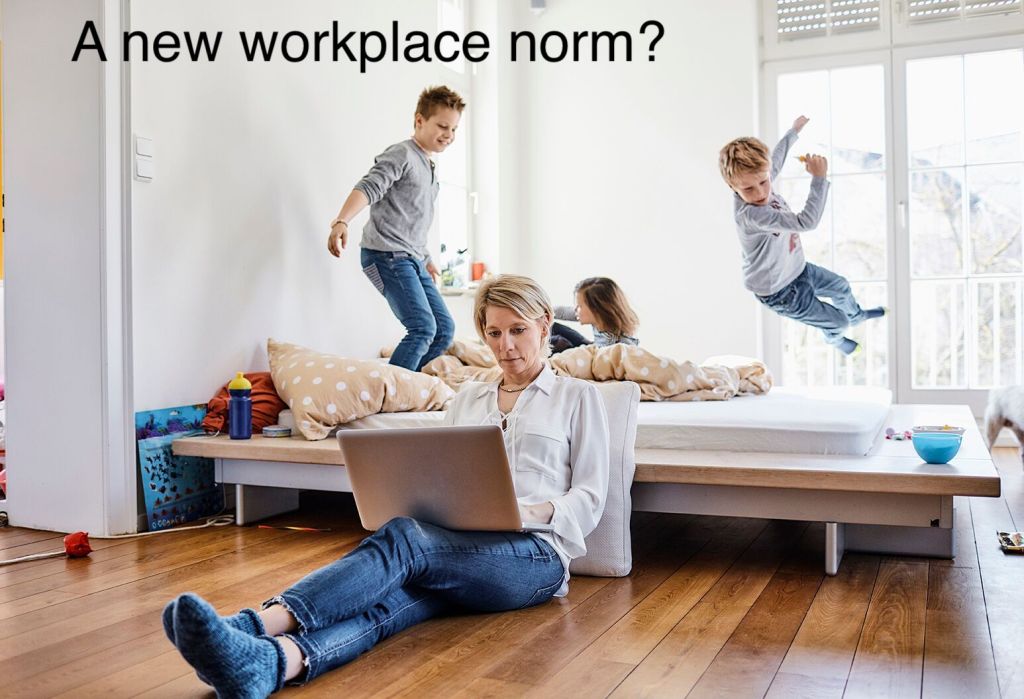
There are some positives to this changing workforce. Forbes claimed that “85% of employees report a desire to work remote” (Stahl). Giving more people an easier way to work from home may actually be beneficial to some. Working from home allows you to spend more time with family and gets rid of commutes. Additionally, it is not uncommon for women to choose between their career and staying home with their families. Given the opportunity to work from home, many women might continue on with their careers or have more balanced career options.
It is a very scary time for us all as things change daily. With all of the destruction that the pandemic is bringing, it may be difficult to be positive. However, families are becoming closer, the environment is benefitting, and we are beginning to appreciate the things that we take for granted. Although the changing workforce can have a negative effect on many people, we do not truly know what will happen. I believe that companies will do their best to be understanding during this time and that our country will not take unemployment issues lightly.
Works Cited
Connely, Courtney, et al. “13 Ways the Coronavirus Pandemic Could Forever Change the Way We Work.” CNBC, CNBC, 30 Apr. 2020, http://www.cnbc.com/2020/04/29/how-the-coronavirus-pandemic-will-impact-the-future-of-work.html.
George, Bill. “The Coronavirus Pandemic Is Changing Work Forever.” Fortune, Fortune, 10 Apr. 2020, fortune.com/2020/04/10/coronavirus-pandemic-changing-work/.
Schwartz, Nelson D. “’Nowhere to Hide’ as Unemployment Permeates the Economy.” The New York Times, The New York Times, 16 Apr. 2020, http://www.nytimes.com/2020/04/16/business/economy/unemployment-numbers-coronavirus.html.
Stahl, Ashley. “3 Ways The Coronavirus Outbreak May Change The Workforce.” Forbes, Forbes Magazine, 12 Mar. 2020, http://www.forbes.com/sites/ashleystahl/2020/03/12/3-ways-coronavirus-may-impact-the-future-of-the-workforce/#375e70621cef.
 English 110 Honors Spring 2020
Katie, I love your approach to this piece because it mentions aspects of the economy and business that are very important. To be honest, I completely forgot about people who travel for business. It is weird to think that this may not be a thing for a long time . However, like you said “this is a considerable change given how much businesses rely on meetings, but it is necessary to limit contact between so many groups of people.” I completely agree with this statement. Although many companies will have to continue to adjust to this change, it is important to keep in the mind the health of the company’s employees.
Additionally, I loved how you talked about mothers working from home and how they no longer have to really choose between work because with Work-From-Home, they are able to truly have the best of both worlds!!
Overall, great work and insight on numerous aspects of the economy and business life!
~Caroline SanAngelo
LikeLike
My favorite aspect of your piece is how you managed to find so much information about one aspect of the pandemic. Obviously, the millions of people that work in the US have been affected in some way or another. It was very scary to read about the long-term impacts this is going to have on us- it was something I hadn’t really put much thought into. Lastly, I greatly enjoyed your addition of a personal experience, with an explanation of how your own dad has been affected. Hope you and your family are doing well, nice work!
LikeLike
I really liked your piece because I also did research on the same topic. I think the economic and business impact of coronavirus is very interesting, and it will be interesting to see how we respond to this halt on work. I also find it interesting that many workers would rather work at home and are in fact more productive when working remotely. Great work on your writing!
LikeLike