
With headlines and daily press conferences serving as a constant reminder of the staggering, tragic effects of the COVID-19 pandemic, it has been critical for many to try and find some light in the dark situation. Across the world, many have realized the necessity of keeping spirits up and have taken to social media to share good news. From stories of grocery stores covering the bills of hospital staff, to posts highlighting the unique ways high schools celebrated their senior classes while still following social distancing regulations, people have loved hearing positive news in the midst of this otherwise devastating time.
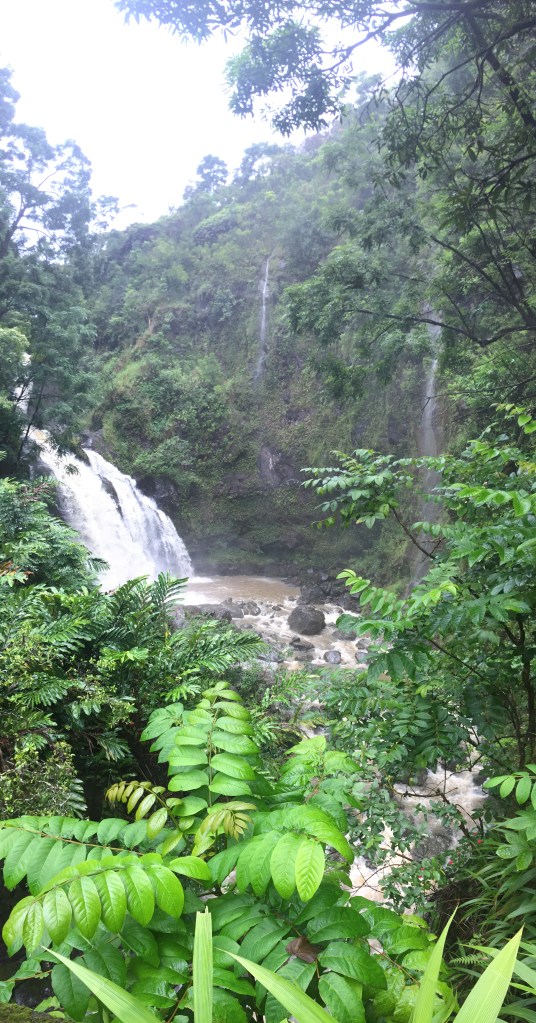
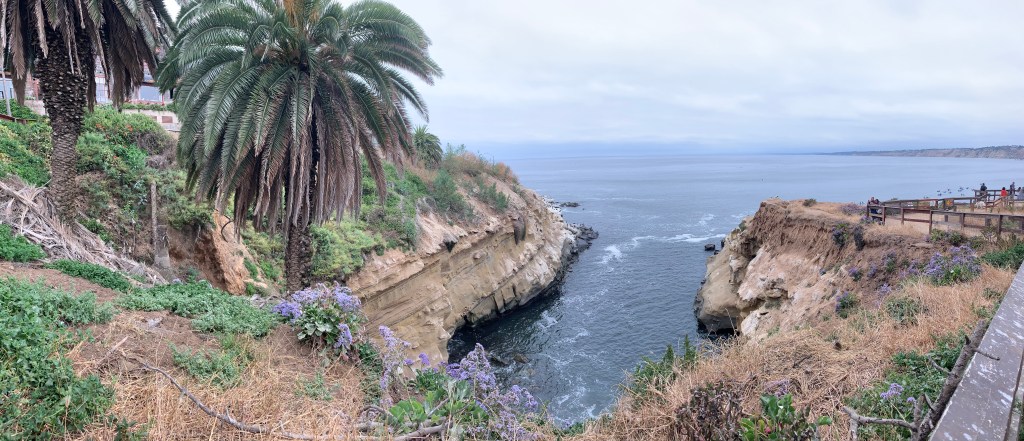
Many of these viral positive news stories have related to the environment. Whether it be photos of lions lounging in the roads of Kruger National Park as a result of no vehicle traffic, before and after photo comparisons of large cities across the world showing a decrease in air pollution, or the news that the iconic Venice canals are running clear due to settled sediment, there is no doubting the fact that environmental changes are occurring as a result of this pandemic.
But how great are these changes? And will they last?
Surely, many would love to think that this pandemic is giving us a glimpse into a greener future, but that is not necessarily the truth. Many of these viral stories are simply silver linings resulting from the fact that “more than 4 billion people are living in countries that have imposed partial or more extensive shutdowns on economic activity to slow the spread of the virus” (Plumer, 2020). Ultimately, when more than 4 billion people are working from home, there will be an overall decrease in energy use and harmful greenhouse gas emissions, for air traffic is no longer as significant, companies no longer need to power their office buildings, and there is a notable decline in the number of cars on the road. These factors add up, resulting in a net reduction in the emissions of carbon dioxide, carbon monoxide, and nitrogen dioxide. But, these are simply “short-term implications” that are resulting from “the behaviors people have given up,” not a switch to cleaner energy that would result in long-term implications (Nixdorf et al., 2020). So, how can we use this pandemic as a spring-board into long-term change and a cleaner, greener, brighter future? One that we should strive to achieve not only for ourselves and our planet, but for the future generations to come?

Much of it comes down to “how governments decide to re-stimulate their economies once the pandemic eases” (McGrath, 2020). Will they invest in renewable energy? Or continue to offer subsidies and bailouts to the fossil fuel industry? Looking back at history offers little to no hope. Typically, after crises, global emissions have been observed to shoot “back up to previous levels” or “[surge] back higher than ever,” as “nations [invest] heavily in fossil fuels to lift themselves out of the recession” (Plumer, 2020). Sadly, this time around may be no different, as “polluting industries around the world” have already used “the coronavirus pandemic to gain billions of dollars in bailouts and to weaken and delay environmental protections” (Carrington, 2020). Ultimately, a push from the people will be needed to encourage governments to invest wisely, making environmental standards and regulations a top factor in their decisions, not merely a factor that is on the backburner, as it often is.
Overall, this may seem like a pessimistic outlook for the future, as this post makes it seem like there is little that the average person can do to make a difference and help the environment. This is far from the truth. Take the glimpses this pandemic has given us of a purer, less-polluted natural world, and use it as inspiration to vote and lead to change. Make small lifestyle changes, for although they may seem insignificant, they accumulate over time. We can change the way we treat the environment, and this pandemic is a perfect reason to start.
Works Cited
Carrington, Damian. “Polluter Bailouts and Lobbying during Covid-19 Pandemic.” The Guardian, 17 Apr. 2020, www.theguardian.com/environment/2020/apr/17/polluter-bailouts-and-lobbying-during-covid-19-pandemic. Accessed 2 May 2020.
McGrath, Matt. “Coronavirus: Air Pollution and CO2 Fall Rapidly as Virus Spreads.” BBC News, 19 Mar. 2020, www.bbc.com/news/science-environment-51944780. Accessed 2 May 2020.
Nixdorf, Katie, et al.. “The Coronavirus Is Giving the Environment a Break – but Experts Think It’s Unlikely to Stay That Way.” Business Insider, 17 Apr. 2020, www.businessinsider.com/coronavirus-environment-impact-pollution-climate-quarantine-2020-4. Accessed 2 May 2020.
Plumer, Brad. “Emissions Declines Will Set Records This Year. But It’s Not Good News.” The New York Times, 30 Apr. 2020, www.nytimes.com/2020/04/30/climate/global-emissions-decline.html. Accessed 2 May 2020.
-Renea Briner
 English 110 Honors Spring 2020
You make a great point here, Renea. I feel like a lot of people are seeing the dramatic effects of entire industries being shut down and thinking something along the lines of “wow, the Earth is going to be just fine moving forward.” However, as you mentioned, as everything goes back to normal, there is a very real potential for carbon emissions to shoot back up. If the situation is handled with care, these seemingly short-term environmental effects can turn into meaningful, long-term effects. It will certainly be interesting to see how politicians handle this situation as we move forward. I also really enjoyed the photos you uploaded, great work.
LikeLike
-Nick Whaley
LikeLike
I really enjoyed reading your post. It was raw and honest and powerful. I’ve read so many different articles and posts about how being home and in quarantine has positively impacted our environment, but who knows how long these positive changes will last? It can already be seen in certain countries that as they started opening up businesses again, the carbon emissions have rebounded once again. Your post kind of felt like a reality check. You started off talking about the “good news” people have to share, then shifted more to your focus of the environment. As a result of such a different lifestyle in which energy use and travel is reduced, it is true that carbon emissions have decreased. However, the chances of these positive impacts staying for long is up to us to decide. I really liked how this wasn’t an incredibly uplifting piece and it stuck true to the reality of our current state. I especially liked how you ended on the note of ways that we can personally make choices to better our environment. I’m sure that for many people it is daunting and it feels that with such a big issue, it is hard for one individual to take action and make a difference, but if everyone has the same mindset of even making one lifestyle change to better our environment, we just might be able to make a slight difference. Thank you for an awesome read!
-Joanna
LikeLike
Renea, this was truly a phenomenal post. The content flowed beautifully from one point to another, and your citations felt as though they were pieces of a puzzle that perfectly fit into your sentences. I try to keep a positive outlook, but it is really hard in times like these. I have also been thinking of how the environment is changing as a result of this, but oftentimes revert to a more negative perspective when I remind myself that it is unfortunately, not a permanent change. I appreciated that your post was acknowledging this unfortunate possibility, especially as I was not fully aware of just how temporary these environmental changes happening right now are. I also really liked how you provided hope in your closing paragraphs by reassuring that change is possible, but only with the work and support of everyone involved. Your last paragraph is really successful in delivering a motivating point to inspire people to initiate change, as it is sure to count, even if it may be small and seemingly insignificant. Awesome post!
– Selma Cemerlic
LikeLike